



Deify or Defy

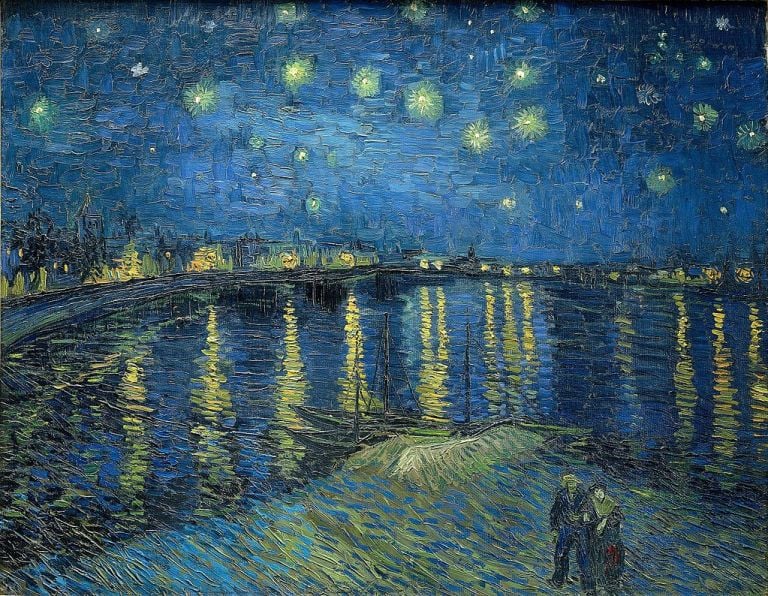
Starry Nights on the River Rhone -Vincent Van Gogh
Ideally Symbolic
We seldom realise how important a part symbols play in our lives, our very language, which we use to communicate in any space, whether in the real world or the digital world, or be it the codes that define and refine how machines speak with each other, are pure distilled symbolism.
We assign specific meanings to words and use them as a currency of exchange of ideas, which we call communication. Stood alone, these do not mean anything, but when the assigned value they are deemed to represent is realised, they become meaningful.
The process of expression through symbols is called symbolism, which is essentially the art of representing ideas, objects and processes, in a manner that symbols get selected to convey to the normal common human being, the underlying ideas simply, effectively.
When we study symbolism, we must also realise that some symbolisms are static and some are dynamic. The dynamic ones become allegories. In addition, what we do is enquire into the interpretation, so that it appeals to one’s logic, reasoning, innate commonsense and the truism that everything has a meaning and many times a profound significance.
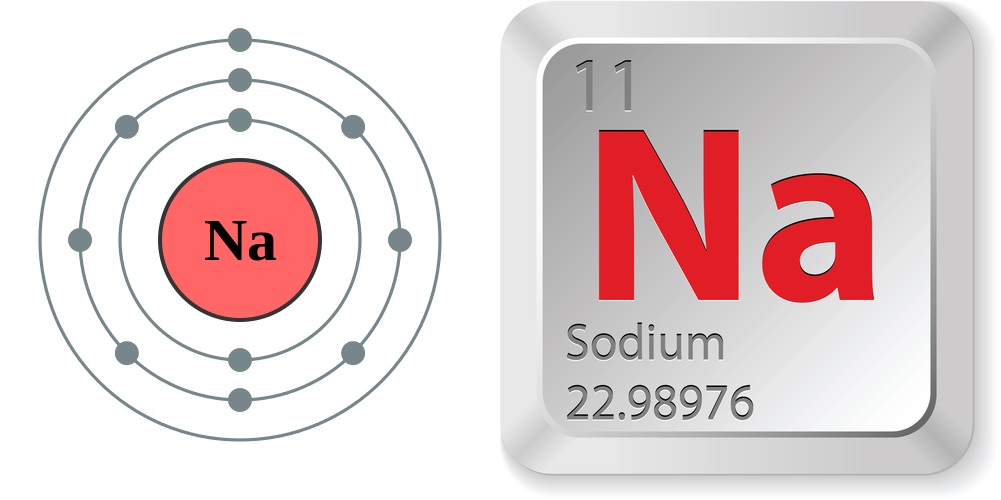
When we speak of static symbols, we see that they are direct representations of the ideas they convey. School days, when recalled, shall indicate to us that Na stands for the sodium element (directly- no loss or ambiguity). When symbols become dynamic, they tend towards allegory.
Let me use our very own Hindi (Devanagari) grammar. Let’s see a word called पीताम्बर
पीताम्बर = पीत +अम्बर = yellow + clothes पीला वस्त्र= yellow clothes
This is a compound of two words and is called समास
And is rendered as a direct symbolic expression and experience.
But when पीताम्बर is viewed as “पीला है अम्बर जीस्का” (One who has yellow robes, meaning Lord Shri Krishna), it becomes an अलन्कार/ रूपक (that becomes a metaphor or an allegory).

The more the dynamism, the more the allegorical content, and we reach a point when the IDOL gets first represented by the IDEAL, and with time, the IDOL overpowers the IDEAL, and the IDEAL becomes latent.
One can observe that most of the symbols form without any scientific basis or any form of investigation— but “WAIT” !!, there is one symbol that was seen, observed over time, reviewed scientifically, confirmed for repeatability and has stood the test of time for more than 6000 years, with universal acceptance sometimes in deification and sometimes in defiance.
Welcome, “Swastika”.
The swastika is a very ancient symbol across cultures and ethnic groups.
The Germans called it the HAKENKREUZE.
In Japan, it is MANJI.
The English called it the FYLFOT
For the Greeks, it was the GAMMADION
In India, it is expressed rather poetically “स्वस्तिका”,
सु अस्ती एन: स्वस्तिका su asthi yena swastika “good is manifest hence “SWASTIKA“, gradually this went on to establish auspiciousness and general all-around goodness

Beginnings

The advent and acceptance of the Swastika probably began circa 2000 – 1800 BC, when the current pole star (POLARIS -Pole Star or DHRUVA as we know it) took over its mantle as the NORTH pointing star, and became a reliable guide for navigation and time keeping. Before that, it was a different star. (This aspect shall be discussed in a forthcoming blog — Please await “THE POLE THAT WAS“)
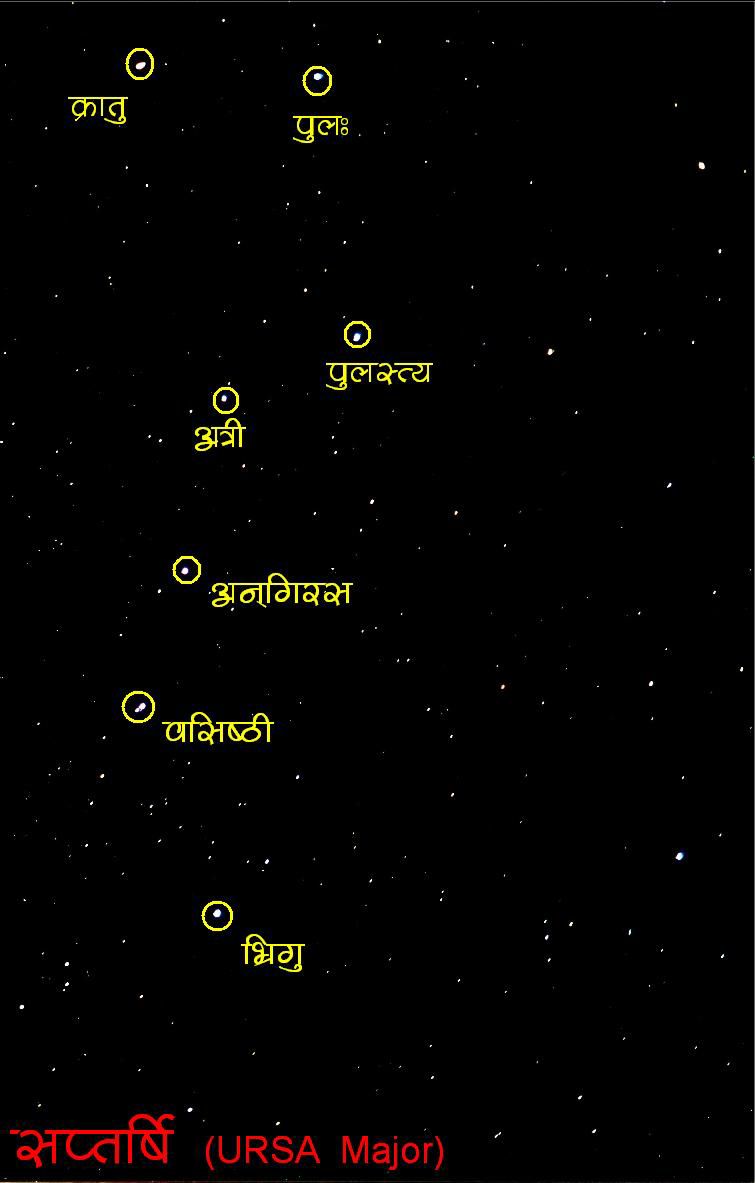
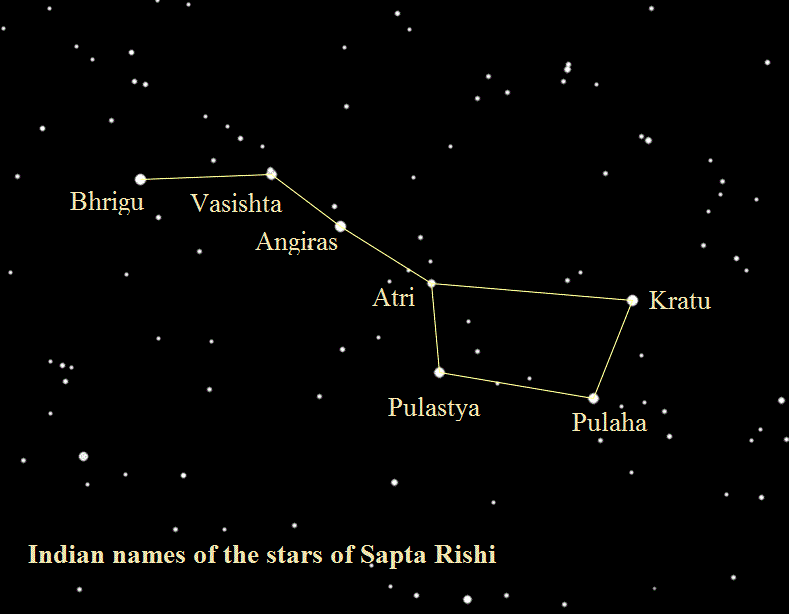
Let’s start at the very beginning. First, let us look up at the night sky. We all know that in the northern skies, we have the pole star. One of the easiest ways of locating this is to locate a major constellation called URSA MAJOR (Ursa is Latin for a female Bear, and major stands for big) , the BIG DIPPER — THE SAPTA RISHIS in the northern skies. Sapta Rishis are seven erudite scholars of ancient times who have been designated to manage numerous aspects of a specific time cycle that is categorised as a Yuga, Kalpa and a Manvantara (we shall be discussing this very soon when we study cosmic time as a concept)
Sapta Rishi /Ursa Major/Big Dipper
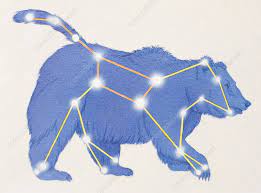
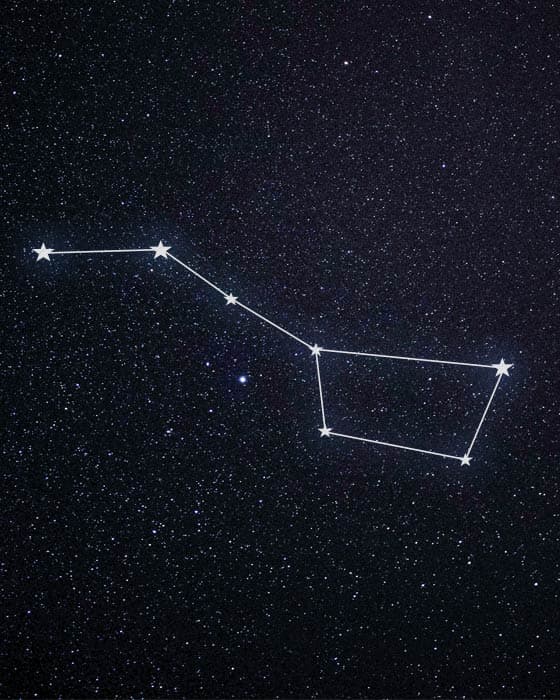
Saptarishi/Ursa Major /Big Dipper as a Circumpolar Constellation
Ursa Major never sets; it remains above the horizon throughout the year, as Earth orbits the Sun. The night sky at a particular time shifts each month slightly, making the Saptarishi appear to rotate around the pole star (Polaris), completing a full revolution over the course of a year. This aspect is called Circumpolar (circling the pole)

Four Seasons & Saptarishi/Ursa Major/Big Dipper
In Spring, the tail points to the NORTH of Polaris covering the months of March, April and May.
In Summer, it points to the WEST of Polaris covering the months of June, July and August.
In Autumn, it points to the SOUTH of Polaris, covering the months of September, October, and November.
In Winter, it points to the EAST of Polaris covering the months of December, January and February.
Each position is separated by about three months
The Sapta Rishis
Rotation visually forms the Swastika
If we mark these four shapes, you get four bent arms, creating the outline of the Swastika in the sky. Connecting the perceived “movement directions” or the four orientations yields a quadrilateral with bent arms — the same rotational symmetry found in the swastika.
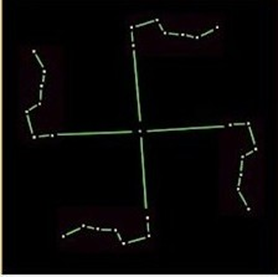
Venerated Swastika
In traditional Indian cosmology, this was interpreted as a symbol of eternal rotation, cyclical time, cosmic consciousness, order (ṛta), and seasonal renewal. The swastika is not a single drawing (idol) but represents an ideal of how Saptarishi appears to turn across the year in its circumpolar behaviour, defining how change is the only constant. In Vedic and later Indian tradition, this astronomical observation contributed to the Swastika’s symbolism as auspiciousness, stability in motion, cosmic cycles, and the revolving heavens. This meaning is completely independent of certain modern political misuse of the symbol. Swastika strives for Universal Peace and Brotherhood, and consciously wishes good for all
“स्वस्ति न इन्द्रो वृद्धश्रवाः।
स्वस्ति नः पूषा विश्ववेदाः।
स्वस्ति नस्तार्क्ष्यो अरिष्टनेमिः।
स्वस्ति नो बृहस्पतिर्दधातु ॥
ॐ शान्तिः शान्तिः शान्तिः ॥”

Appa
Tales, Tails & Trails
Ram Iyer is a retired Project Director from the Science & Technology Park, an initiative of the Department of Sci & Technology, Govt. of India, with a B.Tech. and an MBA from the University of Delhi. Getting India back to its roots through Vedic Science & Technologies is the mission he is on. Post-retirement, he actively supports Nisargshala’s mission, lending his scientific knowledge to nature-based education and stargazing initiatives.
Wonderful symbolism grounded in science and tradition. Grateful for the clarity you bring. Would love to experience all this first hand in Nisargshala soon!!
Thanks you Smita, please do see other notes also, your words will make us deliver more
it is beautifully written. Astronomy is my area of interest and this information is very interesting and new for me.. Explained with so precised way . Thank you Ram Sir.
Mrun, don’t be so modest, I have known you for years and you do have a sound knowledge, if we have added value, we are glad. Do keep seeing our posts
my god what a write up,so much rare info, knowledge which rises curiosity to know more..
The way you always combine modern science and Vedic studies together is commendable..
You must add mandala here whenever/wherever you can Geeta, The Cosmos is the mandala we can envisage
Eversince visual expression became a reality, either through carvings on rock or later thru’ writings Symbolism has conveyed complex concepts through simple expressions (art, text or speech) to serve the common man. It has been a sophisticated tool to impact even the minds of the rustic.
The Swastika has its several meanings….depending upon the period & location…..kaalascha desansch.
Ram Iyer, your coverage is both erudite & eloquent. Thank you.
Regards,
Nanu
Idea Prof is to keep safe our legacy and storehouse of what we learnt while we grew. small anecdotes and tales shared by our elders lay the foundation for scientific enquiry
The blog “Deify or Defy” is an engaging and thought-provoking reflection on the power of symbols in our lives. Its evocative title and philosophical tone naturally draw readers into a space of introspection, encouraging them to examine how they relate to the symbols that surround them. The universality of the theme makes the piece appealing to a wide audience.
To elevate the impact even further, the article could benefit from a few enriching additions — such as real-life examples that illustrate how symbols influence everyday decisions, or a brief exploration of moments when choosing to “defy” a symbol becomes meaningful or transformative. Highlighting both the strength and comfort that symbols can offer, alongside the importance of questioning them, would add a balanced depth to the reflection.
Overall, it is a beautifully positioned piece that opens the door to deeper discussion, and with a few additional layers, it could become even more resonant and memorable for readers.
thank you for your support and positive comments.
our striving is to ignite a thought and we aim at Self discovery, contrasted with dosing.
But I guess a little bit of hand holding may help
The article invites us to look beyond the surface of symbols and into the living ideas they once carried. It reminds us that meaning is not fixed but moves—like the stars—shaped by observation, time, and consciousness. In tracing the Swastika back to the eternal rotation of the Saptarishi, the narrative restores the symbol to its original truth: a quiet affirmation that order exists within change, and that all motion, when rightly understood, tends toward harmony, continuity, and well-being.
sir
you have given an all round view of what we intended
much has been obscured by March of times, we Re keen to go towards restoring the wonder that was Bharat – India
Amazing article Appa.. Many things mentioned here are new to me and was not aware.. Thanks for sharing your thoughts which reflects your no. of years’ deep thinking and saadhna. (चिंतन आणि निदिध्यास) !
So nice of you to take time off to see it
We will keep sharing what we learnt and absorbed.